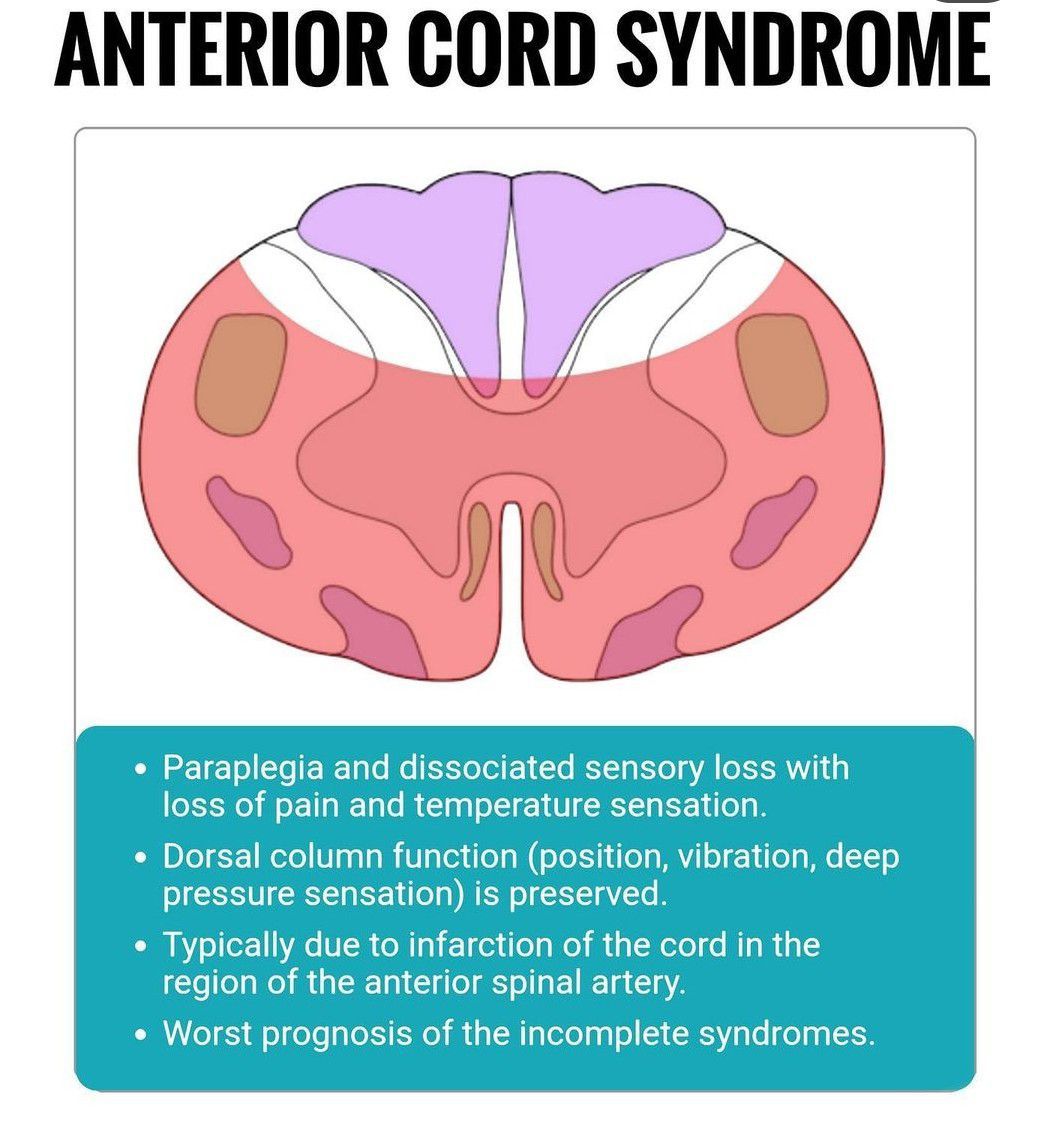

Posterior Cord Syndrome (PCS) is a rare neurological condition that affects the posterior columns of the spinal cord. These columns are crucial for transmitting sensory information, particularly proprioception, vibration, and fine touch, to the brain. Understanding PCS involves delving into its causes, symptoms, diagnosis, and treatment options. This comprehensive guide aims to provide a detailed overview of Posterior Cord Syndrome, helping readers grasp the complexities of this condition and the available management strategies.
Understanding Posterior Cord Syndrome
Posterior Cord Syndrome is characterized by damage to the posterior columns of the spinal cord. These columns are responsible for relaying sensory information from the periphery to the brain. The primary functions affected by PCS include:
- Proprioception: The sense of knowing where your body parts are in relation to each other and the environment.
- Vibration sense: The ability to feel vibrations.
- Fine touch: The sensitivity to light touch and texture.
Damage to these columns can result in significant sensory deficits, impacting an individual's ability to perform daily activities and maintain balance.
Causes of Posterior Cord Syndrome
Posterior Cord Syndrome can be caused by various factors, including:
- Traumatic Injuries: Accidents that result in spinal cord trauma can lead to PCS. These injuries often involve severe impacts that compress or sever the spinal cord.
- Infections: Certain infections, such as meningitis or encephalitis, can affect the spinal cord and lead to PCS.
- Tumors: Spinal cord tumors can compress the posterior columns, causing PCS.
- Degenerative Diseases: Conditions like multiple sclerosis can damage the myelin sheath around nerve fibers, leading to PCS.
- Vascular Issues: Blood flow disruptions to the spinal cord, such as those caused by ischemia or hemorrhage, can result in PCS.
Symptoms of Posterior Cord Syndrome
The symptoms of Posterior Cord Syndrome can vary depending on the extent and location of the damage. Common symptoms include:
- Loss of Proprioception: Difficulty knowing the position of limbs and body parts.
- Impaired Vibration Sense: Inability to feel vibrations, which can affect balance and coordination.
- Reduced Fine Touch: Decreased sensitivity to light touch and texture.
- Attaxia: Unsteady gait and poor coordination.
- Sensory Atrophy: Wasting of muscles due to lack of sensory feedback.
These symptoms can significantly impact an individual's quality of life, making it challenging to perform everyday tasks and maintain independence.
Diagnosing Posterior Cord Syndrome
Diagnosing Posterior Cord Syndrome involves a combination of clinical evaluations and diagnostic tests. The process typically includes:
- Medical History: A detailed medical history to understand the onset and progression of symptoms.
- Physical Examination: A thorough neurological exam to assess sensory deficits and motor function.
- Imaging Studies: MRI or CT scans to visualize the spinal cord and identify any structural abnormalities.
- Electrophysiological Tests: Nerve conduction studies and electromyography (EMG) to evaluate nerve function.
These diagnostic tools help healthcare providers determine the extent of the damage and develop an appropriate treatment plan.
Treatment Options for Posterior Cord Syndrome
Treatment for Posterior Cord Syndrome focuses on managing symptoms, preventing further damage, and improving quality of life. The treatment plan may include:
- Medications: Pain relievers, anti-inflammatory drugs, and muscle relaxants to manage symptoms.
- Physical Therapy: Exercises to improve strength, flexibility, and coordination.
- Occupational Therapy: Techniques to enhance daily living skills and adapt to sensory deficits.
- Assistive Devices: Use of braces, canes, or walkers to aid mobility.
- Surgical Interventions: In some cases, surgery may be necessary to decompress the spinal cord or remove tumors.
Each treatment plan is tailored to the individual's specific needs and the underlying cause of PCS.
Living with Posterior Cord Syndrome
Living with Posterior Cord Syndrome presents unique challenges, but with the right support and strategies, individuals can lead fulfilling lives. Key aspects of managing PCS include:
- Education and Awareness: Understanding the condition and its implications can help individuals and their families cope better.
- Support Groups: Joining support groups can provide emotional support and practical advice from others who share similar experiences.
- Adaptive Techniques: Learning adaptive techniques for daily activities can enhance independence and quality of life.
- Regular Check-ups: Regular medical check-ups to monitor the condition and adjust treatment as needed.
By staying informed and proactive, individuals with PCS can navigate the challenges and maintain a positive outlook.
📝 Note: It is essential to consult with healthcare providers for personalized advice and treatment plans.
Research and Future Directions
Research on Posterior Cord Syndrome is ongoing, with scientists and medical professionals working to improve diagnostic tools and treatment options. Some areas of focus include:
- Advanced Imaging Techniques: Developing more sensitive imaging methods to detect early signs of PCS.
- Regenerative Medicine: Exploring stem cell therapies and other regenerative approaches to repair damaged nerve tissue.
- Neuroprotective Agents: Investigating drugs that can protect nerve cells from further damage.
- Rehabilitation Strategies: Enhancing physical and occupational therapy techniques to improve outcomes.
These advancements hold promise for better management and potential cures for Posterior Cord Syndrome.
Case Studies and Real-Life Examples
Understanding Posterior Cord Syndrome through real-life examples can provide valuable insights. Here are a few case studies:
| Case Study | Age/Sex | Cause of PCS | Symptoms | Treatment | Outcome |
|---|---|---|---|---|---|
| Case 1 | 45/Male | Traumatic Injury | Loss of proprioception, impaired vibration sense | Physical therapy, assistive devices | Improved mobility, adapted to daily activities |
| Case 2 | 32/Female | Multiple Sclerosis | Reduced fine touch, ataxia | Medications, occupational therapy | Managed symptoms, enhanced quality of life |
| Case 3 | 58/Male | Spinal Cord Tumor | Sensory atrophy, loss of proprioception | Surgery, physical therapy | Tumor removed, improved sensory function |
These case studies illustrate the diverse causes and treatment approaches for Posterior Cord Syndrome, highlighting the importance of individualized care.
Posterior Cord Syndrome is a complex condition that requires a multidisciplinary approach to management. By understanding the causes, symptoms, and treatment options, individuals and healthcare providers can work together to improve outcomes and enhance quality of life. Ongoing research and advancements in medical technology offer hope for better management and potential cures in the future.
Related Terms:
- posterior cord syndrome vs anterior
- central cord syndrome
- posterior spinal cord
- central cord syndrome symptoms
- complete cord syndrome
- posterior cord syndrome symptoms