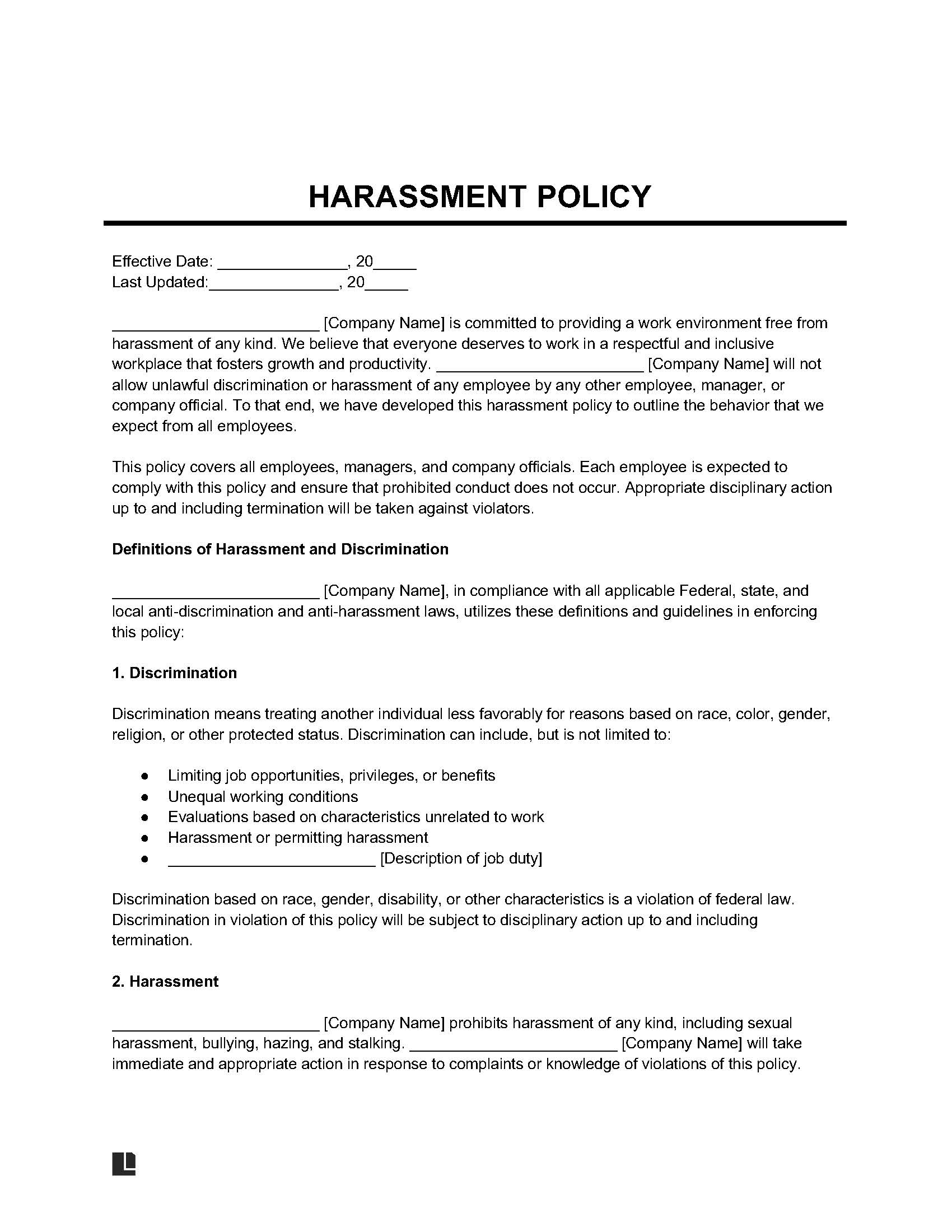

In the dynamic landscape of modern business, the importance of well-defined policy and procedure cannot be overstated. These guidelines serve as the backbone of organizational operations, ensuring consistency, efficiency, and compliance. Whether you are a small startup or a large corporation, having a robust set of policies and procedures in place is crucial for navigating the complexities of today's business environment.
Understanding Policy and Procedure
Before delving into the specifics, it is essential to understand what policy and procedure entail. A policy is a high-level statement that outlines the principles and rules governing an organization's actions. It provides a framework for decision-making and sets the tone for how the organization operates. On the other hand, a procedure is a detailed, step-by-step guide on how to implement the policy. It ensures that the policy is followed consistently and effectively.
The Importance of Policy and Procedure
Implementing policy and procedure is not just about compliance; it is about creating a stable and predictable environment for employees and stakeholders. Here are some key reasons why policy and procedure are vital:
- Consistency: Policies ensure that everyone in the organization follows the same rules and guidelines, leading to consistent outcomes.
- Compliance: Adhering to legal and regulatory requirements is crucial for avoiding penalties and maintaining a good reputation.
- Efficiency: Clear procedures streamline operations, reducing errors and improving productivity.
- Risk Management: Well-defined policies help identify and mitigate risks, protecting the organization from potential threats.
- Employee Guidance: Policies provide employees with clear expectations and guidelines, reducing confusion and enhancing job satisfaction.
Developing Effective Policy and Procedure
Creating effective policy and procedure involves several steps. Here is a comprehensive guide to help you develop robust policies and procedures for your organization:
1. Identify the Need
The first step is to identify the areas where policies and procedures are needed. This could be based on regulatory requirements, operational needs, or identified risks. Conduct a thorough analysis to determine the specific areas that require attention.
2. Conduct Research
Once the need is identified, conduct research to understand the best practices and industry standards. This could involve reviewing existing policies, consulting with experts, or studying regulatory guidelines. Gathering comprehensive information will help in creating policies that are both effective and compliant.
3. Draft the Policy
Drafting the policy involves creating a high-level statement that outlines the principles and rules. The policy should be clear, concise, and easy to understand. It should also be aligned with the organization's goals and values. Here is an example of how a policy might be drafted:
Example Policy: Code of Conduct
Our organization is committed to maintaining the highest standards of ethical behavior. All employees are expected to adhere to the following principles:
- Integrity: Act with honesty and transparency in all interactions.
- Respect: Treat all individuals with dignity and respect.
- Accountability: Take responsibility for your actions and decisions.
- Compliance: Follow all applicable laws and regulations.
4. Develop the Procedure
After drafting the policy, the next step is to develop the procedure. This involves creating a detailed, step-by-step guide on how to implement the policy. The procedure should be specific and actionable, ensuring that everyone knows exactly what to do. Here is an example of how a procedure might be developed:
Example Procedure: Code of Conduct Implementation
To ensure adherence to the Code of Conduct, the following procedures will be followed:
- Training: All new employees will undergo training on the Code of Conduct during their onboarding process.
- Monitoring: Regular audits will be conducted to ensure compliance with the Code of Conduct.
- Reporting: Any violations of the Code of Conduct should be reported to the Ethics Committee.
- Disciplinary Action: Violations will be addressed through a disciplinary process, which may include warnings, suspensions, or termination.
5. Review and Approval
Once the policy and procedure are drafted, they should be reviewed by relevant stakeholders. This could include legal advisors, compliance officers, and senior management. Their input is crucial for ensuring that the policy and procedure are comprehensive and effective. After review, the policy and procedure should be approved by the appropriate authority.
6. Communication and Training
Effective communication and training are essential for ensuring that everyone understands and follows the policy and procedure. This could involve:
- Distributing the policy and procedure to all employees.
- Conducting training sessions to explain the policy and procedure.
- Providing access to resources and support for any questions or concerns.
7. Implementation and Monitoring
Implementation involves putting the policy and procedure into practice. This could involve updating systems, processes, and documentation to align with the new guidelines. Monitoring is crucial for ensuring that the policy and procedure are followed consistently. Regular audits and reviews should be conducted to identify any gaps or areas for improvement.
📝 Note: Regular updates to policies and procedures are essential to keep them relevant and effective. Changes in regulations, industry standards, or organizational goals may necessitate revisions.
Common Challenges in Policy and Procedure Management
While policy and procedure are essential for organizational success, managing them can present several challenges. Here are some common issues and how to address them:
1. Resistance to Change
Employees may resist changes to existing policies and procedures, especially if they perceive them as burdensome or unnecessary. To overcome this, it is important to:
- Communicate the benefits of the new policy and procedure clearly.
- Involve employees in the development process to gain their buy-in.
- Provide adequate training and support to help employees adapt to the changes.
2. Complexity
Policies and procedures can become complex and difficult to understand, especially in large organizations. To simplify them:
- Use clear and concise language.
- Break down complex procedures into smaller, manageable steps.
- Provide examples and case studies to illustrate how the policy and procedure should be applied.
3. Compliance Issues
Ensuring compliance with policies and procedures can be challenging, especially in a dynamic environment. To address this:
- Conduct regular audits and reviews to identify non-compliance.
- Implement a robust reporting system for violations.
- Provide disciplinary action for non-compliance, but also offer support and training to help employees understand and follow the guidelines.
4. Keeping Policies and Procedures Up-to-Date
Policies and procedures need to be regularly updated to reflect changes in regulations, industry standards, and organizational goals. To ensure they remain relevant:
- Conduct periodic reviews of all policies and procedures.
- Assign responsibility for updating policies and procedures to specific individuals or teams.
- Communicate updates to all employees and provide training as needed.
Best Practices for Policy and Procedure Management
Effective management of policy and procedure requires a systematic approach. Here are some best practices to consider:
1. Centralized Repository
Maintain a centralized repository for all policies and procedures. This ensures that everyone has access to the most current versions and can easily find the information they need. The repository should be well-organized and searchable, making it easy for employees to locate specific guidelines.
2. Clear Ownership
Assign clear ownership for each policy and procedure. This involves identifying individuals or teams responsible for developing, implementing, and updating the guidelines. Clear ownership ensures accountability and helps in maintaining the relevance and effectiveness of the policies and procedures.
3. Regular Reviews
Conduct regular reviews of all policies and procedures to ensure they remain relevant and effective. This could involve annual or bi-annual reviews, depending on the organization's needs. Regular reviews help in identifying gaps, addressing compliance issues, and making necessary updates.
4. Employee Engagement
Engage employees in the development and review process. Their input is valuable for ensuring that the policies and procedures are practical and effective. Employee engagement also helps in gaining their buy-in and reducing resistance to change.
5. Training and Support
Provide adequate training and support to help employees understand and follow the policies and procedures. This could involve:
- Conducting training sessions and workshops.
- Providing access to resources and support materials.
- Offering one-on-one coaching and mentoring.
6. Continuous Improvement
Adopt a continuous improvement approach to policy and procedure management. This involves regularly seeking feedback from employees, conducting audits, and making necessary updates. Continuous improvement ensures that the policies and procedures remain relevant and effective in a changing environment.
📝 Note: Effective communication is key to successful policy and procedure management. Ensure that all updates and changes are communicated clearly and promptly to all employees.
Policy and Procedure Templates
Creating policies and procedures from scratch can be time-consuming. Using templates can help streamline the process and ensure consistency. Here are some common templates that organizations can use:
1. Code of Conduct Policy
This template outlines the principles and rules governing ethical behavior within the organization. It includes sections on integrity, respect, accountability, and compliance.
2. Data Protection Procedure
This template provides a step-by-step guide on how to protect sensitive data. It includes sections on data collection, storage, access, and disposal.
3. Health and Safety Policy
This template outlines the organization's commitment to maintaining a safe and healthy work environment. It includes sections on risk assessment, emergency procedures, and training.
4. Performance Management Procedure
This template provides a step-by-step guide on how to manage employee performance. It includes sections on goal setting, performance reviews, and disciplinary action.
5. Conflict of Interest Policy
This template outlines the principles and rules governing conflicts of interest within the organization. It includes sections on disclosure, management, and resolution of conflicts.
Here is an example of a simple table that outlines the key elements of a policy and procedure template:
| Element | Description |
|---|---|
| Purpose | States the reason for the policy or procedure. |
| Scope | Defines who the policy or procedure applies to. |
| Responsibilities | Outlines the roles and responsibilities of individuals involved. |
| Procedures | Provides a step-by-step guide on how to implement the policy. |
| Compliance | Describes the consequences of non-compliance. |
| Review and Update | Specifies how and when the policy or procedure will be reviewed and updated. |
Using templates can save time and ensure consistency, but it is important to customize them to fit the specific needs and context of your organization.
📝 Note: Always review and customize templates to ensure they align with your organization's goals, values, and regulatory requirements.
Case Studies: Successful Implementation of Policy and Procedure
To illustrate the importance of policy and procedure, let's look at some case studies of organizations that have successfully implemented them:
1. XYZ Corporation
XYZ Corporation, a leading technology company, faced challenges with data security. To address this, they developed a comprehensive data protection policy and procedure. The policy outlined the principles of data protection, while the procedure provided detailed steps on how to collect, store, access, and dispose of sensitive data. The implementation involved:
- Conducting a thorough risk assessment.
- Developing a data protection training program.
- Implementing a robust monitoring and reporting system.
The result was a significant reduction in data breaches and improved compliance with regulatory requirements.
2. ABC Healthcare
ABC Healthcare, a large hospital network, needed to ensure compliance with health and safety regulations. They developed a health and safety policy and procedure that included sections on risk assessment, emergency procedures, and training. The implementation involved:
- Conducting regular safety audits.
- Providing comprehensive training to all employees.
- Implementing a reporting system for safety incidents.
The result was a safer work environment and improved compliance with regulatory standards.
3. DEF Manufacturing
DEF Manufacturing, a global manufacturing company, faced challenges with performance management. They developed a performance management procedure that included sections on goal setting, performance reviews, and disciplinary action. The implementation involved:
- Conducting a thorough review of existing performance management practices.
- Developing a performance management training program.
- Implementing a robust performance review system.
The result was improved employee performance and a more efficient performance management process.
These case studies demonstrate the importance of well-defined policy and procedure in achieving organizational goals and ensuring compliance with regulatory requirements.
📝 Note: Successful implementation of policies and procedures requires a systematic approach, clear communication, and continuous improvement.
In conclusion, policy and procedure are essential for the smooth operation of any organization. They provide a framework for decision-making, ensure compliance with regulations, and enhance efficiency and risk management. By following best practices and addressing common challenges, organizations can develop and implement effective policies and procedures that drive success and sustainability.
Related Terms:
- policy vs procedure
- policy and procedure definition
- policy vs procedure examples
- policy and procedure template
- policy and procedure template word
- difference between policy and procedure