
Plants have been an integral part of life on Earth for millions of years, evolving alongside other organisms to shape the biosphere as we know it today. The study of plants and evolution provides fascinating insights into how these organisms have adapted and diversified over time. From the earliest photosynthetic organisms to the complex flora we see today, the journey of plants is a testament to the power of natural selection and genetic variation.
Early Evolution of Plants
The story of plants and evolution begins in the oceans. The earliest plants were likely simple, single-celled organisms that performed photosynthesis. These organisms, known as cyanobacteria, played a crucial role in transforming the Earth's atmosphere by producing oxygen as a byproduct of photosynthesis. This oxygenation event, often referred to as the Great Oxygenation Event, paved the way for the evolution of more complex life forms.
Over time, these simple organisms evolved into multicellular algae, which eventually transitioned to land. The first land plants, which appeared around 470 million years ago, were likely moss-like and lacked the vascular systems found in modern plants. These early land plants faced significant challenges, including desiccation and UV radiation, but their ability to reproduce and disperse through spores allowed them to colonize new environments.
The Rise of Vascular Plants
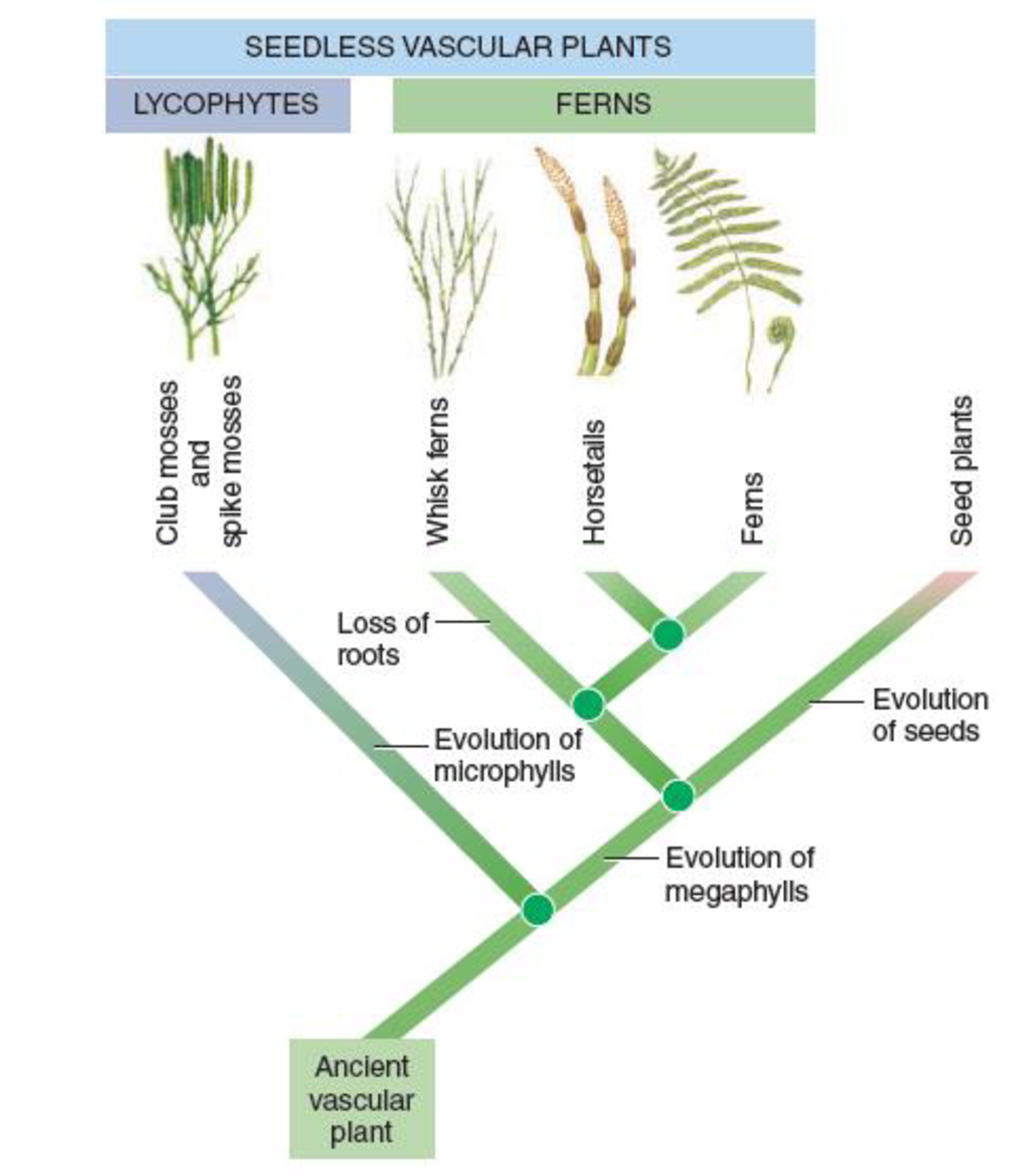
One of the most significant milestones in the evolution of plants was the development of vascular tissue. Vascular plants, which include ferns, gymnosperms, and angiosperms, have specialized tissues for transporting water, nutrients, and sugars throughout the plant. This innovation allowed plants to grow taller and more robust, competing for sunlight and resources in diverse ecosystems.
The first vascular plants, such as the rhyniophytes, appeared around 420 million years ago. These plants had simple vascular systems and reproduced via spores. Over time, more complex vascular plants evolved, including ferns and seed plants. Ferns, which appeared around 300 million years ago, were the first plants to develop true leaves and roots, further enhancing their ability to thrive in terrestrial environments.
The Evolution of Seed Plants
The development of seeds was another critical step in the evolution of plants. Seeds provide a protective coating for the embryo and a food source, allowing plants to disperse their offspring over greater distances and survive in harsher conditions. The first seed plants, known as gymnosperms, appeared around 360 million years ago. Gymnosperms include conifers, cycads, and ginkgos, which reproduce through naked seeds that are not enclosed in a fruit.
Gymnosperms dominated the landscape during the Mesozoic era, often referred to as the "Age of Reptiles." However, their reign was eventually challenged by the rise of angiosperms, or flowering plants. Angiosperms, which appeared around 130 million years ago, have seeds enclosed in a fruit, providing additional protection and a means of dispersal. This innovation allowed angiosperms to diversify rapidly and colonize a wide range of habitats.
The Diversity of Angiosperms
Angiosperms are the most diverse and abundant group of plants on Earth today. They include a wide variety of species, from tiny herbs to towering trees, and play crucial roles in ecosystems around the world. The success of angiosperms can be attributed to several key adaptations, including:
- Flowers: Angiosperms use flowers to attract pollinators, ensuring the transfer of pollen between plants and facilitating sexual reproduction.
- Fruits: The development of fruits provides a means of dispersing seeds over greater distances, increasing the chances of successful germination and establishment.
- Diverse Growth Forms: Angiosperms exhibit a wide range of growth forms, from annual herbs to perennial shrubs and trees, allowing them to occupy diverse niches in various ecosystems.
One of the most striking examples of angiosperm diversity is the family of orchids (Orchidaceae). With over 28,000 known species, orchids exhibit an astonishing array of forms, colors, and adaptations. Many orchids have evolved specialized relationships with pollinators, such as bees, moths, and birds, ensuring the transfer of pollen between plants.
Plants and Human Evolution
The evolution of plants has had a profound impact on human evolution and civilization. Plants provide the foundation of the food web, serving as a primary food source for many animals, including humans. The domestication of plants, particularly grains like wheat and rice, allowed early human societies to transition from nomadic hunter-gatherer lifestyles to settled agricultural communities.
Plants have also played a crucial role in the development of medicine. Many modern pharmaceuticals are derived from plant compounds, and traditional medicinal practices often rely on the healing properties of plants. For example, the bark of the willow tree (Salix spp.) contains salicin, a compound that is the precursor to aspirin. Similarly, the Madagascar periwinkle (Catharanthus roseus) produces compounds used to treat leukemia and other cancers.
In addition to their role in food and medicine, plants have shaped human culture and society in numerous ways. From the use of wood for construction and fuel to the cultivation of ornamental plants for aesthetic purposes, plants have been integral to human development and innovation.
Plants and Climate Change
As the Earth's climate continues to change, understanding the role of plants and evolution becomes increasingly important. Plants play a critical role in regulating the Earth's climate by absorbing carbon dioxide during photosynthesis and releasing oxygen as a byproduct. This process helps to mitigate the effects of greenhouse gases and slow the rate of global warming.
However, climate change also poses significant challenges to plant populations. Rising temperatures, altered precipitation patterns, and increased frequency of extreme weather events can disrupt plant communities and ecosystems. Some plant species may be unable to adapt to these changes, leading to declines in population size and even local extinctions.
To address these challenges, scientists are studying the genetic diversity and adaptive potential of plant species. By understanding how plants have evolved in response to past environmental changes, researchers can develop strategies to conserve and protect plant populations in the face of future climate change.
One promising approach is the use of assisted migration, where plant species are deliberately moved to new locations to help them adapt to changing climatic conditions. This strategy can help ensure the survival of plant species that are at risk of extinction due to climate change.
Future Directions in Plant Evolution Research
The study of plants and evolution is a dynamic and rapidly evolving field. Advances in genetic sequencing technologies and computational biology are providing new insights into the genetic basis of plant traits and adaptations. These tools allow researchers to study the genomes of plant species in unprecedented detail, identifying the genes and genetic pathways that underlie key evolutionary innovations.
One exciting area of research is the study of plant-microbe interactions. Plants often form symbiotic relationships with microorganisms, such as bacteria and fungi, which can enhance their ability to acquire nutrients, resist pathogens, and tolerate environmental stresses. Understanding these interactions can provide valuable insights into the evolutionary history of plants and their role in ecosystems.
Another important area of research is the study of plant domestication. By understanding the genetic changes that occurred during the domestication of crop plants, researchers can develop strategies to improve the yield, nutritional content, and resilience of modern crops. This knowledge can help address global challenges related to food security and sustainability.
In addition to these research areas, the study of plants and evolution is also important for conservation efforts. By understanding the evolutionary history and genetic diversity of plant species, conservationists can develop strategies to protect and preserve plant populations in the face of environmental change and human activities.
One example of this is the use of genetic data to inform conservation priorities. By identifying plant species that are genetically distinct and at risk of extinction, conservationists can prioritize efforts to protect these species and their habitats. This approach can help ensure the long-term survival of plant biodiversity and the ecosystems that depend on it.
Another important aspect of conservation is the restoration of degraded ecosystems. By understanding the evolutionary history and ecological roles of plant species, researchers can develop strategies to restore degraded habitats and promote the recovery of plant communities. This can involve the reintroduction of native plant species, the control of invasive species, and the restoration of natural processes such as fire and flooding.
In conclusion, the study of plants and evolution provides valuable insights into the history of life on Earth and the role of plants in shaping the biosphere. From the earliest photosynthetic organisms to the diverse flora we see today, plants have evolved and adapted to a wide range of environments, playing crucial roles in ecosystems and human societies. As we face the challenges of climate change and environmental degradation, understanding the evolutionary history and genetic diversity of plants will be essential for conserving and protecting plant populations and the ecosystems that depend on them.
Related Terms:
- evolution of terrestrial plants
- examples of evolution in plants
- how did land plants evolve
- the evolution of plants pdf
- evolutionary history of plants
- evolution of plants and animals