Lines and Art are fundamental elements that have shaped human creativity and expression for centuries. From the earliest cave paintings to the most contemporary digital masterpieces, the interplay between lines and art has been a constant thread in the tapestry of human culture. This exploration delves into the significance of lines in art, their various forms, and how they contribute to the overall aesthetic and emotional impact of artistic works.
Understanding Lines in Art
Lines are the most basic and essential elements in art. They can be used to define shapes, create depth, and convey movement. In visual art, lines can be categorized into several types, each serving a unique purpose:
- Horizontal Lines: These lines run parallel to the horizon and are often associated with calmness and stability. They can create a sense of tranquility and balance in a composition.
- Vertical Lines: Vertical lines extend upwards or downwards and are often linked to strength, growth, and power. They can add a sense of height and grandeur to a piece.
- Diagonal Lines: Diagonal lines create a dynamic and energetic feel. They can suggest movement and action, making the artwork more engaging and lively.
- Curved Lines: Curved lines are fluid and graceful, often used to convey softness and elegance. They can create a sense of flow and continuity in a composition.
- Zigzag Lines: Zigzag lines are irregular and can add a sense of tension and excitement. They are often used to create a sense of chaos or unpredictability.
Each type of line contributes differently to the overall mood and message of an artwork. Artists often combine these lines to create complex and layered compositions that evoke a range of emotions and interpretations.
The Role of Lines in Different Art Forms
Lines play a crucial role in various art forms, from traditional painting and drawing to modern digital art. Here are some key areas where lines and art intersect:
Drawing and Sketching
In drawing and sketching, lines are the primary tool for creating form and structure. Artists use lines to outline shapes, define edges, and create shading. The precision and variety of lines can greatly influence the final appearance of a drawing. For example, fine lines can create delicate and detailed work, while bold lines can produce a more dramatic and expressive effect.
Painting
In painting, lines are used to define the boundaries of shapes and to create texture and depth. Artists often use lines to guide the viewer's eye through the composition, leading them to focal points and important elements. Lines can also be used to create patterns and textures, adding richness and complexity to the artwork.
Sculpture
In sculpture, lines are created through the manipulation of three-dimensional forms. The edges and contours of a sculpture define its shape and structure, creating a sense of volume and mass. Sculptors use lines to create balance and harmony in their work, ensuring that the piece is visually appealing from all angles.
Digital Art
In digital art, lines are created using software tools that allow for precise control over shape, size, and color. Digital artists can use lines to create intricate patterns, textures, and effects that would be difficult or impossible to achieve with traditional methods. The flexibility and versatility of digital tools make it possible to experiment with different line styles and techniques, resulting in unique and innovative artworks.
The Emotional Impact of Lines
Lines have the power to evoke a wide range of emotions and moods in viewers. The way lines are used in an artwork can greatly influence its emotional impact. For example:
- Calm and Serenity: Horizontal and curved lines often create a sense of calm and serenity. They can evoke feelings of peace and tranquility, making the viewer feel relaxed and at ease.
- Energy and Movement: Diagonal and zigzag lines can create a sense of energy and movement. They can make the artwork feel dynamic and lively, engaging the viewer's attention and drawing them into the scene.
- Strength and Power: Vertical lines can convey a sense of strength and power. They can make the artwork feel solid and stable, creating a sense of authority and dominance.
- Softness and Elegance: Curved lines can add a sense of softness and elegance to an artwork. They can create a feeling of grace and fluidity, making the piece feel more approachable and inviting.
By carefully selecting and combining different types of lines, artists can create artworks that evoke specific emotions and resonate with viewers on a deep level.
Historical Significance of Lines in Art
Throughout history, lines have played a pivotal role in the development of various art movements and styles. From the precise lines of Renaissance art to the expressive lines of Abstract Expressionism, lines have been a constant element in artistic evolution. Here are some notable periods and artists who have significantly contributed to the use of lines in art:
Renaissance Art
The Renaissance period saw a renewed interest in classical art and the use of perspective. Artists like Leonardo da Vinci and Michelangelo used precise lines to create realistic and detailed depictions of the human form and landscape. The use of lines in Renaissance art emphasized clarity, precision, and harmony, setting a standard for future generations of artists.
Impressionism
Impressionism, which emerged in the late 19th century, focused on capturing the fleeting moments of light and color. Artists like Claude Monet and Edgar Degas used loose, expressive lines to create a sense of movement and immediacy in their paintings. The use of lines in Impressionism was more about conveying emotion and atmosphere than achieving precise realism.
Abstract Expressionism
Abstract Expressionism, which flourished in the mid-20th century, emphasized the emotional and psychological aspects of art. Artists like Jackson Pollock and Mark Rothko used lines to create abstract compositions that explored the inner workings of the mind. The use of lines in Abstract Expressionism was often spontaneous and intuitive, reflecting the artist's emotional state and personal experiences.
Modern Applications of Lines in Art
In contemporary art, lines continue to be a vital element, used in innovative and experimental ways. Artists today explore the boundaries of traditional line work, incorporating new technologies and materials to create unique and thought-provoking artworks. Here are some modern applications of lines in art:
Digital Illustration
Digital illustration has revolutionized the way artists use lines. With the help of digital tools, artists can create intricate and detailed line work with ease. Software like Adobe Illustrator and Procreate allow for precise control over line thickness, color, and texture, enabling artists to experiment with different styles and techniques.
Street Art
Street art has become a prominent form of contemporary art, using lines to create bold and impactful murals. Artists like Banksy and Keith Haring use lines to convey social and political messages, often incorporating elements of graffiti and pop culture. The use of lines in street art is dynamic and energetic, capturing the attention of passersby and sparking conversations about important issues.
Installation Art
Installation art often involves the use of lines to create immersive and interactive experiences. Artists like Yayoi Kusama and Ai Weiwei use lines to define space and create a sense of depth and dimension. The use of lines in installation art can transform a physical space into a work of art, engaging viewers on multiple sensory levels.
Techniques for Creating Lines in Art
Creating lines in art involves a variety of techniques and tools. Whether using traditional methods or digital tools, artists have a wide range of options for creating lines that suit their artistic vision. Here are some common techniques for creating lines in art:
Traditional Techniques
- Pencil Drawing: Pencils are a versatile tool for creating lines. Artists can use different grades of pencils to achieve varying levels of darkness and texture. Pencil drawing allows for precise control over line thickness and detail.
- Pen and Ink: Pens and ink are ideal for creating bold and expressive lines. Artists can use different types of pens, such as fountain pens, dip pens, and technical pens, to achieve various line styles and effects.
- Charcoal: Charcoal is a great medium for creating soft and smudgy lines. Artists can use charcoal sticks or pencils to create a range of tones and textures, adding depth and dimension to their artwork.
Digital Techniques
- Vector Graphics: Vector graphics software, such as Adobe Illustrator, allows artists to create clean and scalable lines. Vector graphics use mathematical equations to define lines, ensuring that they remain sharp and clear at any size.
- Raster Graphics: Raster graphics software, such as Adobe Photoshop, allows artists to create lines with pixel-based tools. Raster graphics offer more flexibility for creating textured and organic lines, but they can lose quality when scaled up.
- 3D Modeling: 3D modeling software, such as Blender and Maya, allows artists to create lines in three-dimensional space. Artists can use lines to define the contours and edges of 3D objects, adding depth and realism to their digital artworks.
Each technique offers unique advantages and challenges, allowing artists to choose the method that best suits their artistic goals and preferences.
📝 Note: The choice of technique can greatly influence the final appearance of an artwork. Artists should experiment with different tools and methods to find the one that best expresses their creative vision.
Examples of Lines and Art in Contemporary Works
To better understand the impact of lines in art, let's explore some contemporary works that showcase the diverse ways lines can be used to create meaningful and visually stunning artworks.
Katsushika Hokusai's "The Great Wave off Kanagawa"
Katsushika Hokusai's iconic woodblock print, "The Great Wave off Kanagawa," is a masterful example of how lines can create a sense of movement and drama. The dynamic diagonal lines of the wave convey a powerful and relentless force, while the horizontal lines of the horizon provide a sense of stability and calm. The interplay between these lines creates a striking contrast, drawing the viewer's eye into the scene and evoking a sense of awe and wonder.

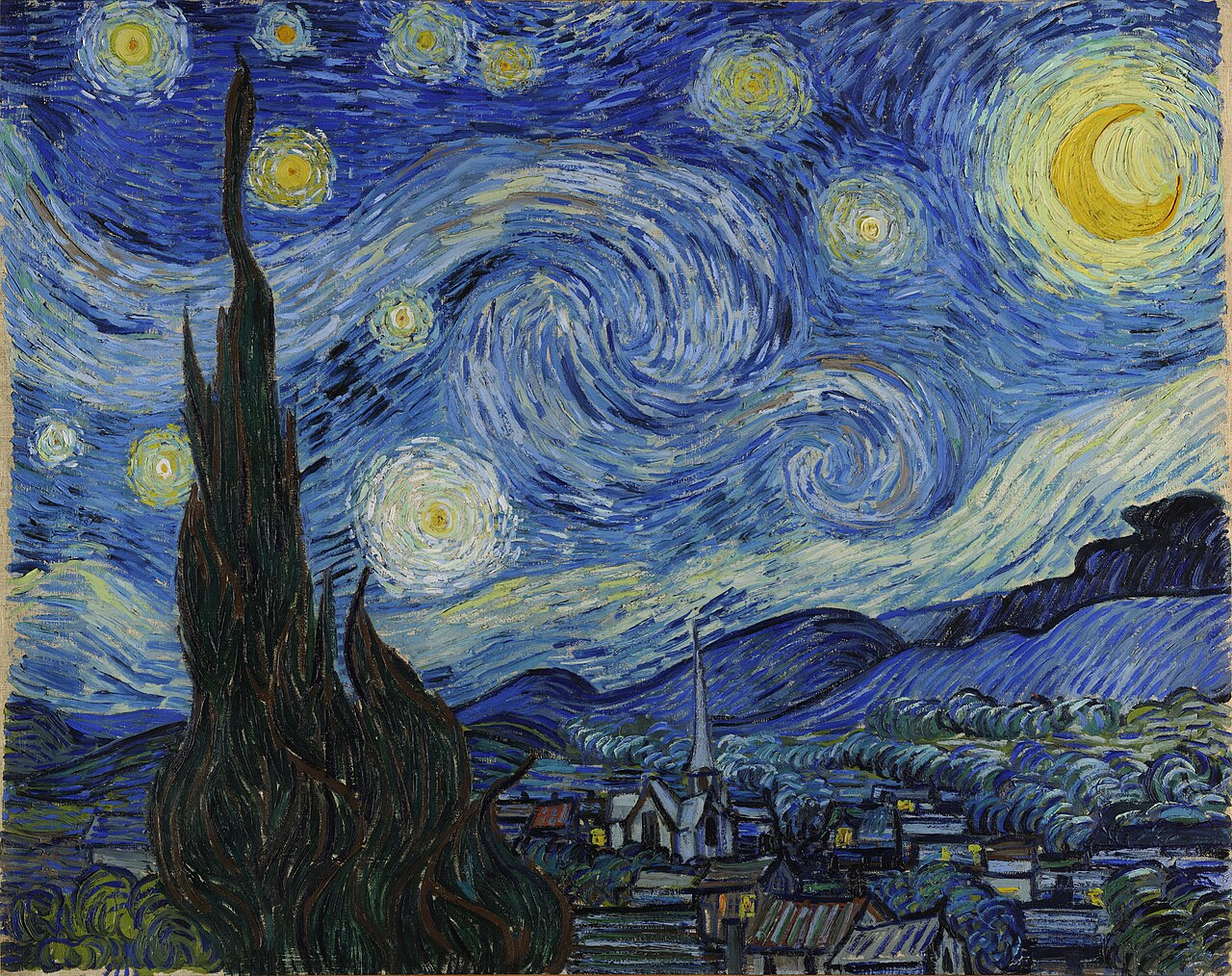
Vincent van Gogh's "Starry Night"
Vincent van Gogh's "Starry Night" is a quintessential example of how lines can be used to create a sense of energy and emotion. The swirling, curved lines of the night sky and the stars convey a sense of movement and vitality, while the bold, vertical lines of the cypress tree add a sense of strength and stability. The use of lines in "Starry Night" creates a dynamic and expressive composition that resonates with viewers on an emotional level.
Jackson Pollock's "No. 5, 1948"
Jackson Pollock's "No. 5, 1948" is a seminal work of Abstract Expressionism that showcases the use of lines to create a sense of spontaneity and chaos. Pollock's drip painting technique involves pouring and flicking paint onto a canvas, creating a web of intricate and unpredictable lines. The use of lines in "No. 5, 1948" creates a complex and layered composition that invites viewers to explore the depths of the artwork and discover hidden meanings.

The Future of Lines and Art
The future of lines and art is filled with exciting possibilities. As technology continues to evolve, artists will have access to new tools and techniques for creating lines that push the boundaries of traditional art. Here are some emerging trends and innovations in the use of lines in art:
Augmented Reality (AR) and Virtual Reality (VR)
Augmented Reality (AR) and Virtual Reality (VR) are transforming the way artists create and experience art. These technologies allow artists to create immersive and interactive artworks that use lines to define virtual spaces and objects. Viewers can explore these artworks from different angles and perspectives, engaging with the lines in a more dynamic and immersive way.
Artificial Intelligence (AI) and Machine Learning
Artificial Intelligence (AI) and Machine Learning are opening up new possibilities for creating lines in art. AI algorithms can generate complex and intricate line patterns, allowing artists to explore new creative directions. Machine Learning can also analyze existing artworks to identify patterns and trends in the use of lines, providing artists with valuable insights and inspiration.
3D Printing and Sculpture
3D printing technology is revolutionizing the way artists create sculptures. Artists can use 3D printing to create intricate and detailed line work, adding depth and dimension to their sculptures. This technology allows for greater precision and control over the creation of lines, enabling artists to achieve new levels of complexity and detail in their work.
As these technologies continue to evolve, the possibilities for lines and art will only expand, offering artists new ways to express their creativity and connect with audiences.
📝 Note: The integration of technology in art is not without its challenges. Artists must navigate issues of accessibility, ethical considerations, and the potential impact on traditional art forms. However, the benefits of embracing new technologies far outweigh the challenges, offering artists unprecedented opportunities for innovation and expression.
Lines and art are intrinsically linked, with lines serving as the foundation for countless artistic expressions. From the precise lines of Renaissance art to the expressive lines of Abstract Expressionism, lines have been a constant element in the evolution of art. As technology continues to advance, the future of lines and art holds endless possibilities, allowing artists to explore new creative directions and push the boundaries of traditional art forms. By understanding the significance of lines in art and their various applications, artists can create meaningful and visually stunning artworks that resonate with viewers on a deep level.
Related Terms:
- line art vs sketch
- line art drawing images
- line art meaning
- free line drawing images
- what is line art definition
- example of line in art
